A travel journal, from Tok to Whitehorse

Sunset on the Alaska Range

The Alaska Range in the evening

In the summer of 1992, I worked as a newspaper reporter in Sitka, Alaska. It was one of the best experiences of my life. Just before I began that seasonal position, I was able to tour south central Alaska, all by, yes, hitchhiking. It was perhaps safer back in the day, though there was always a risk that the driver was a character with a dark past and a possibly psychotic future. I did meet some strange and colorful folks on the trip I took. In less than two weeks, I hitched from Haines, to Valdez, to Homer, to Anchorage, to Denali, to Fairbanks, to Tok, to Whitehorse, and finally to Skagway, where I caught the ferry back to Sitka.

I copied down a section of my travel journal from that adventure. What transpired is, to my best ability, faithfully captured. In Alaska and the Yukon, you just can’t make some things up. The people and place are just beyond the imagination. I begin my journal entry just after I was dropped off about 30 miles from Fairbanks, under the arctic evening light, surrounded by nothing but mosquitos and open sky and empty road.

Thursday May 28, 1992:
I spent 45 minutes waiting. At around 10:45 p.m., I was still hoping for yet another ride, with residual evening light still around me. It came in a Grateful Dead branded, red VW van. I said hello to Scott, a 21-year-old drug user and snowboarder and his mellow dog Wilson. Scott was leaving Alaska. He had enough of the work on a boat. He did the black cod run and quit. He had hated boat work. He said he threw up all over the place.

Scott had a few stories and was easy with his smiles. His ratty, shoulder-length brown hair and stubble made him look a bit like a Dharma bum. He said two wanted criminals, who supposedly had murdered three teens, almost killed him a few days back. He talked about the suicide of his friend too.

We drove past Delta Junction and started looking for campsites. He said he had to get back to the border crossing at Sweet Grass, Mont., to make a court date. He had paid $700 in bail after the border guards took apart his van and found 65 hits of acid in a deck of cards that came with the bus when he bought it, he claimed. The whole experience bummed him out, he said. Now he was smoking the last of his Alaska Thunderfuck weed and cleaning the van up. I didn’t want to hit the border with him.

We found a spot and set his van up for crashing. He stretched a cot across the front cab, where I crashed. He had the bed. Outside the van we could hear the hum of thousands of mossies. Some picked us off inside the van too. I slept roughly, waking at 3 a.m. with a chill and scrunched in my tiny compartment.

Friday, May 29, 1992
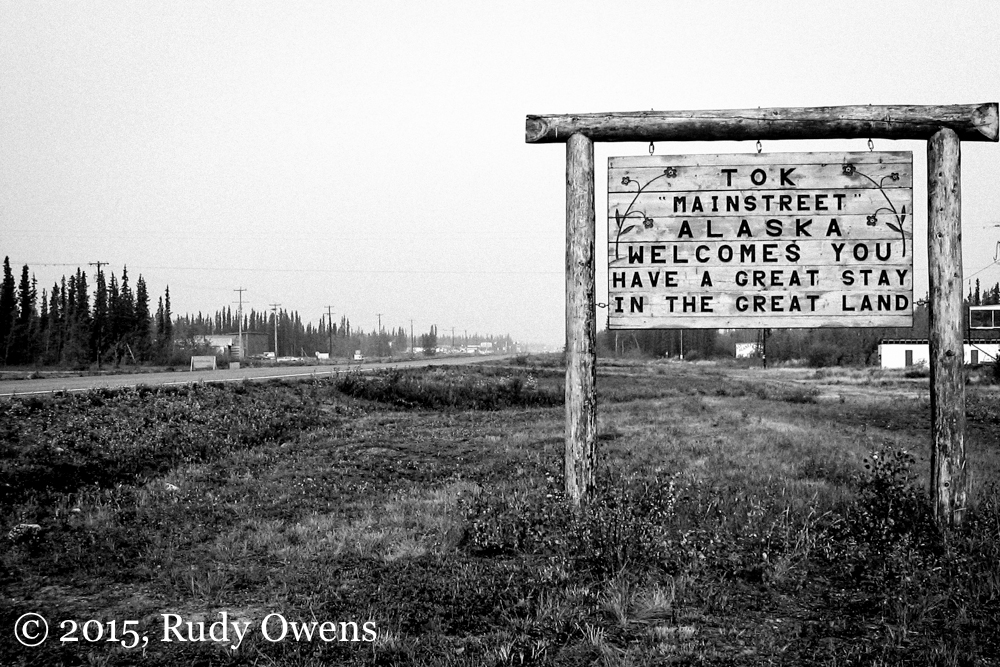
Tok Welcome Sign

Tok, Alaska, welcome sign

I awoke exhausted at 6 a.m. Scott made us pancakes and eggs. Delicious stuff. We hit the road at 7 a.m. and rolled into Tok. We stopped at the North Star restaurant, where I made my first stop crossing the border two weeks earlier. The woman at the counter remembered me. The hot shower was a delight, followed by hot coffee.

Scott was cleaning his van. He told me he planned to get to Beaver Creek by the end of the day. I told him I had more miles to cover. He promised he would pick me up if he saw me.

I was on the road by 10:30 a.m. A sky blue V-8, Ford F-150 pickup pulled over. The driver, Bill, said he was a geologist and miner from Whitehorse and offered me a ride all the way to his home. Score!

First we bummed around town looking for maps where he wanted to stake claims. He showed me a pure gold nugget hanging from his neck. We hit the road an hour later, with that F-150 cruising at high speed. He loved to floor that puppy, even after the State Troopers pulled him over and gave him a $60 ticket.

Bill was about 35. He studied mining formally for three years at a university. He loved his work, staking claims and prospecting with his father. He smiled and laughed a lot. His Canadian “ehs” rolled frequently from his lips.

We were searched by the Canadian border service guards and let through. Once in the Yukon Territory, we stopped at Beaver Creek to collect some “shit” that he and his dad had accumulated. This included a snowmobile and buckets of other gear for his prospecting work.

Off we went again. We travelled through Burwash Creek, Gold Nugget Creek—places where he had prospected and worked, he said. If was as if the entire Elias mountain range was his own private domain. He knew it well.

We stopped again at a restaurant of cranky, large female friend named Rebecca. She had acne. We ate date cake and drank coffee. That’s all I ever seemed to do up here: eat sweet food and drink cups of coffee to stay warm and awake.

It was a beautiful drive on a lovely day. We stopped again to pick up even more stuff at an abandoned miner’s cabin. This time torch rods, wood, tools, and lanterns. Off we sped again.

We rolled into Haine’s junction at 6 p.m., just in time to meet his cousin at a local bar. There were about eight guys drinking beer and smoking. They ranged between 35 and 60. They looked a bit unkempt, but tough. Not the kind of guys to tussle with in a bar fight.

His cousin was drunk. He slurred out curses in his greetings. What happened next was pure Canada. Drinks and bullshit and bushels of “ehs.” We got out of there in 45 minutes, only to spend another 15 minutes at the mobile home of still another cousin. Finally we headed to Whitehorse.

Bill’s Ford was leaving smoke in the road as we sped way over the speeding limit. We passed through magnificent scenery of soft mountains and spruce forests. It reminded me a lot of Montana. Bill thought the same.

A scene near White Pass, Alaska

Near White Pass, the high country

Whitehorse, the Yukon capital, has about 90 percent of the territory’s people. It is a semi-industrial town, lying at the col of the valley. Bill took me to a spot by a campground on the highway out of town. There I waited 20 minutes. Right when I wanted to bag it, a green truck stopped. I met Rudy of the Yukon Security Forces.

I asked Rudy about his accent. He said he originally came from Holland. We started talking, and Rudy began with his army service stories, when he was stationed in Indonesia on Java and Sumatra between 1945 and 1949. He described his army days like a Vietnam vet. He loved it there, eating native food and re-enlisting to serve in a company where he was the only European.

He talked about handguns, which he didn’t carry. He said he’d carry one if he can use it. Shoot first, ask questions later. That was the way it worked in Indonesia, he said. He had orders to clear villages, to stop enemy columns from entering an area. It left him changed.

He said his first wife couldn’t understand what he felt. He said in the early 1960s he knew America could not win the Vietnam War. He told me that he is never going back, even though it was his favorite place in the world. Now he lives in his second favorite place, the Yukon.

I got off at the campgrounds, which were swarmed. A bunch of yahoos played loud music and drank beer. Typical Canadian. I got to sleep at midnight.

Riddick, this ain’t nothing new

The power of resilience remains as one the bedrock storytelling themes since humans first swapped tales around the campfire. It appeals to all of us and our desire to find inspiration to confront the challenges that life throws in our way.

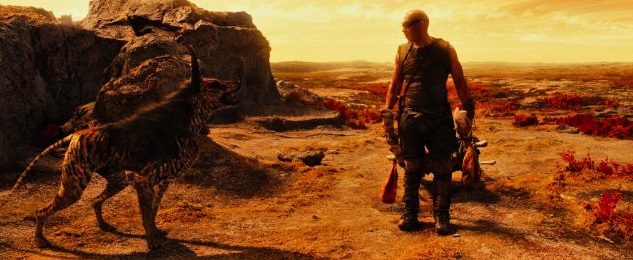
Vin Diesel Riddick, 2013 Film

Vin Diesel plays the anti-hero Riddick in the 2013 film of the same name–a classic story of resilience against all odds.

To my surprise, one of the most creative and gripping versions of the thousands-year-old storytelling trope came packaged in the 2013 sci-fi action drama Riddick, starring Vin Diesel. Riddick, for those who are not diehard fans, is an interplanetary outlaw, hunted by mercenaries, evil empire and evil religious despots called Necromongers, and baddies who either want him killed or captured.

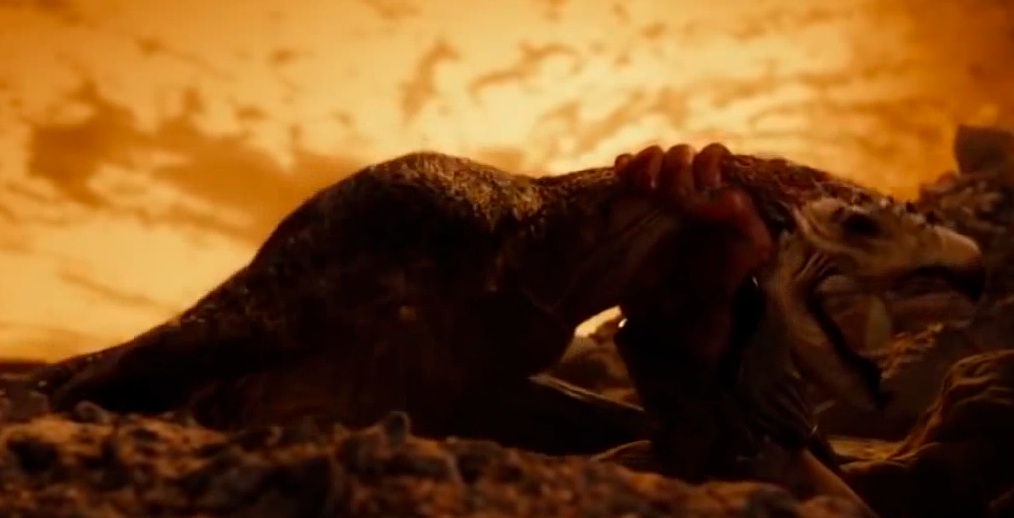
The film opens with a shot of a hand sticking out of rocks on a god-foresaken landscape. A flying vulture lizard lands on rocks and starts gnawing on the fingertips.

In the background, Diesel’s gravel voice mutters, “Don’t know how many times I’ve been crossed off the list and left for dead. Guess when it first happens the day you were born, you’re gonna lose count.” Then the hand grasp’s the creature’s throat until it thrashes and dies. And we know at that instant that our hero is going to show us that no challenge will stop him from achieving his goal of leaving that planet, alive. “So this, this ain’t nothing new,” he says.

So starts the 2013 reboot to the franchise, which began with muddled and bloated 2004 Chronicles of Riddick that is best forgotten.

Opening Scene of Riddick Photo

The 2013 film Riddick opens with a memorable image of a man’s single-minded goal to survive anything that comes his way.

But, I simply love the beginning to the latest installment. Everything about it is fresh, mythical, and ancient at the same time. (See the first 10 minutes on YouTube.)

You have your classic hero story. Having been nearly killed by falling off a cliff after a double-cross by the intergalactic religious power maniacs called Necromongers, Riddick crawls with a busted leg on a desert floor to a pool of sulfuric water. Unable to drink it, he escapes a pack of giant hyena type carnivores by diving in the pool. “Just me and this no-name world. Gotta find that animal side again,” he says.

He resets his broken leg in a brutal fashion, screwing in armed plates into his flesh to act a cast. He then encounters a species of bear-sized, two-legged mud demons who have giant scorpion-like tails and giant mandibles that are poisonous. They block his path, and he has to go through their pool to a better place. “There are bad days, and then there are legendary bad days,” Riddick says after nearly getting eaten by one. “This was shaping up to be one of those. Whole damn planet wanted a piece of me.”

For the first 20 or so minutes of the film Riddick embraces the man vs. nature and man vs. beast storylines flawlessly. You don’t really care that this is a sci-fi action film at this point. You basically care about a guy who is unfazed when the odds are stacked against him. You admire his resilience to not only overcome the planet’s hostile nature, but to even grow as a person.

Vin Diesel as Riddick and Jacka Dog Photo

Vin Diesel’s character Riddick survives challenge after challenge in the 2013 film of the same name, with his short-lived friend, a jackal-like dog.

Riddick does get through the mud demons, befriends a puppy wild jackal-like creature who becomes his sidekick, defeats two crews of mercenaries who land to capture and kill him, fights off countless other mud demons when he’s left for dead, and leaves the planet. A survivor to the end—pure Riddick. Never a moment of pity, never a moment of whining. He just accepts his fate and finds a solution.

I can point to countless books I have read and loved that follow this same storyline and outcome, and they are among my favorites. They include The Endurance, about Ernest Shackleton and his crew of the Endurance and their survival from disaster in Antarctica in 1914 and 1915, and Escape from Auschwitz, by Rudolf Vrba, about his incredible escape from the German death camp in 1944 with fellow prisoner Alfred Wetzler. They are great yarns because they deal with human ingenuity and strength that withstand unimaginable challenges. Those are also hallmarks of great people and true leaders.

Stories like these will always be retold, and relived. I think they speak to something powerful inside all of us, which rejects misfortune and turns it into growth and conquest.

So give the film Riddick a chance. You might be surprised you have read or seen the story before but find its telling good enough to inspire you when a few bad days and legendary bad days cross your path. Remember folks, that ain’t nothing new.

Fast food lives and fast food memories

Tonight, I walked by two fast food franchises that were closing down for the night around 9:30 p.m. One was a subway sandwich place, the other an ice cream parlor. Their brand names are not important. Inside, shutting things down, three young workers in their teens were hard at work.

Behind the glass at the ice cream shop, I saw two young women wiping down the metal fixtures, sweeping, and ensuring it was sanitary and clean for the next day. One of the those women met my gaze and smiled. She was energetic, attractive, and positive. I smiled back. Next door, a young man, who I think was about 17, was mopping the linoleum floor with an old-fashion slop mop, like the ones I used to use when I was around his age. He looked up, but he went quickly back to his task at hand. He looked like he was ready to leave.

Wow, what a flood of memories that brought back to me. I cannot remember how many times I “closed down the shop,” when I worked in the early 1980s at a Kentucky Fried Chicken outlet just outside St. Louis.

I wore a hat like that, and apron like that, and likely had my hair even longer, and yes, I used to haul boxes of frozen chicken in and out of the giant freezer to prep the chicken for cooking.

I wore a hat like that, and shirt like that, and likely had my hair even longer. And, yes, I used to haul boxes of frozen chicken in and out of the giant freezer to prep the chicken for cooking.

I was 15 years old—at that time working illegally under the allowable 16 years of age minimum. My job involved cooking batches of factory raised chickens–or rather the edible parts of chickens, soaking them in “special sauces,” covering them special flour, and then deep-frying them in a giant vat of hot oil for the required time til the buzzer went off. That was the “extra crispy” chicken. The “Colonel’s Special Recipe” involved pressure cooking the bird pieces in a giant, and I thought, very dangerous machine. Or, worse, I had to do dishes, cleaning oil-slimed metal cooking ware and trays until my fingers puckered from the chemical cleaners.

Each night, the oil had to be drained and filtered to capture the chicken and fried coating bits, and, when the oil was too dirty to cook another batch, recycled. This meant hauling large metal containers of burning hot oil to a recycling container out back. Often hot oil burned my arms and face. I smelled like the Colonel’s recipes even the next day after a shower. I looked like hell coming home: greasy, physically exhausted, unable to think, and still with homework to do. Getting home was not easy either. I either biked home five to six miles in the dark on some pretty busy roads, or if I was lucky got rides some times from my mom, sister, or a co-worker. This sucked in the rain and cold.

The day after a night shift, I would be unable to think at school. I could not stay awake in classes. I literally zoned out and barely passed intro chemistry. The teacher, a good guy, suggested I might want to quit my job when he noticed me sleeping in class on the desk. I think I was working about 15-25 hours a week, depending on the schedule. Finally, after five months, I had to quit. I literally was going to start bombing my sophomore year classes, or keep up the routine. It was incredibly hard to give up my only source of income, as I had to rely entirely on my job to buy my own clothes and pay for all of my expenses outside of food my mom bought at home.

I hated, hated cooking this industrial food for this employer. To this day, I cannot eat fried chicken.

I hated, hated cooking this industrial food for this employer. To this day, I cannot eat fried chicken.

Making matters worse, during that point in my life, I was probably smoking a pack of cigarettes a day, and blowing up in smoke, literally, a chunk of my measly $3.15 an hour pay. (I quit for good later that year, and never looked back.)

I think I was smart enough to know that the second-degree burns that scarred my arm one night were the signal to escape the chicken shack as quickly as possible, which I did. Though my next job paid less, slightly below minimum wage, it at least gave me more stability, and I only had to work two or three nights a week, and all day Saturday. I at least could find the balance with crappy job and school without the risk of injury at the Colonel’s place, which I called K-Y Fry.

And all of this flashed through my head when I gazed into that young woman’s smiling face. I wondered where she was at in life. Finishing high school, or on track for a GED? She did not look older than 18. Did she have to work to help support her family? Did she envision a better next job, if she could get the skills she needed to move on from the world of dishing out ice cream cones and wiping down the bathroom? I do not know. But, I hope so.

I would never wish my own fast food experience on anyone. Even though I learned how to hold my own doing hard labor, I knew that I could get easily trapped and not move up the income ladder if I did not succeed in school. Maybe I did get lucky. Maybe I found just the right balance and was smart enough to know that this life in fast food America was a pit.

Still, I never forgot where I came from. That is why I always give anyone who works in these ubiquitous food sweat shops more than a little courtesy and respect. They earn it, every day.

Learning the power of forgiveness and why it mattered the rest of my life

At some point in all of our lives people will do bad things to us, intentionally and unintentionally. This may happen many times, in fact. And these can be awful things. They can be crimes. They can harm our family and friends. They can disrupt and destroy our lives. The victim will then have many choices to respond. Among the most powerful and liberating of all responses to injustice, violence, and evil is forgiveness.

President Abraham Lincoln, an ardent practitioner of forgiveness.

President Abraham Lincoln, an ardent practitioner of forgiveness.

“The weak can never forgive. Forgiveness is the attribute of the strong,” said Mahatma Gandhi, a man of peace who also was murdered in 1948 by a fellow Hindu for his efforts to reconcile the violence that divided the Indian Subcontinent between Muslims, Hindus, and other faiths as the British pulled out of their Indian colony. President Abraham Lincoln, one of the world’s most revered leaders, also deeply embraced a philosophy of forgiveness while trying to lead his country out of a system of slavery and through the nation’s most bloody war. During his famous and searing Second Inaugural Address, prior to his assassination on March 4, 1865, he called for the warring sides to embrace forgiveness. When urged to punish the violent slaveholding South, Lincoln responded, “I destroy my enemies when I make them my friends.” And, like Gandhi, Lincoln too was killed, by a Southerner who considered him a traitor.

Clearly, forgiveness is not easy, and some of its most ardent practitioners have met with violent ends. “The discoverer of the role of forgiveness in the realm of human affairs was Jesus of Nazareth,” writes philosopher Hannah Arendt. “The fact that he made this discovery in a religious context and articulated it in religious language is no reason to take it any less seriously in a strictly secular sense.” The Christian gospels written in the years after his crucifixion are premised on the very notion of Jesus’ ability to forgive his tormenters. According to the Gospel of Luke, 23:34, the dying Jesus said, “Father, forgive them; for they do not know what they are doing.” Again, another practitioner of peace, killed.

Source, Forbes

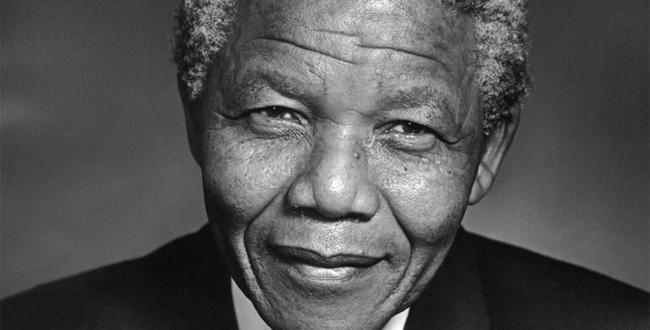
President Nelson Mandela (source, Forbes)

Former South African freedom fighter, prisoner, and president Nelson Mandela chose to embrace forgiveness as a tool of reconciliation to heal his nation after decades of the racist Apartheid laws that relegated non-whites to second-class status and excluded them from all forms of politics, education, and economic opportunity. After his release from Robben Island, he took many actions to heal the wounds the could have erupted in more bitter violence that was seen in neighboring countries like Mozambique and Zimbabwe (formerly Rhodesia). As Barbara Mutch, a white South African noted after Mandela’s death in 2013, “Nelson Mandela sat down with his enemies and forgave them and moved on. And in doing so, he rescued his country, and he rescued each one of us, and gave us hope that there could be a future for our beautiful, fractured land. And for the greater earth that we all share.”

For me, my moment of action came when I was 18. I had finished high school and was working to save as much money as I could for college that hot summer in University City, Mo. I knew that this marked a pivotal transitional point in my life. I wanted to begin my journey was a clean slate, free from the baggage I carried from my earlier years. I wanted to explore a new path and forge a destiny  that broke from the past. I knew the most important thing I could do for myself was to let go of what I harbored against someone who caused great pain and hurt to me and my family and to themselves, in ways that I still cannot forget.

The only one who could really control the outcome of this experience was me. I had to own it for what it was. That meant I had to own accepting what had happened, and more importantly, letting it off my back and from my heart and soul. I remember the long drive I made on a hot August day with a stranger to Cleveland. I confronted the person who had done many wrongs. I told that person, with great sincerity I felt inside, that I forgave them for what they had done. I meant it. And then, a day later, I took a long bus ride back to St. Louis. Within two weeks I was in Portland, Ore., starting a new life in college, charting a new path that I would define and that would not be defined by this person or the experiences resulting their actions earlier in my life.

It was one of the most important moments I have ever had. I never forgot what it did for me and the party I forgave. Within three years, that person would be dead, and that chapter in my life would be closed.

According to Howard Zehr, the author of The Little Book of Restorative Justice, “Forgiveness is letting go of the power the offense and the offender have over a person. It means no longer letting that offense and offender dominate. Without this experience of forgiveness, without this closure, the wound festers, the violation takes over our consciousness, our lives. It, and the offender, are in control. Real forgiveness, then, is an act of empowerment and healing.”

Years later I am struck by what I gained during the few days in my life when I was striving to define who I wanted to be, and doing that through intentional deeds with a clear mind and a clear sense of purpose.

Some days still I lose focus. I stray from my path. I am tempted to go to a place that I know Lincoln and Mandela would not want to be. At those moments, I go back in time to that place when I became the kind of person I always wanted to be. Then I find the strength to do the right thing, even when it is perilous, as so many good persons have learned.

The joys of a new bicycle

My new Surly Pacer

My new Surly Pacer in sparkleboogie blue

Buying a bike is always one of my rare guilty pleasures. I am not wealthy by American standards, nor do I have lots of disposable income to spare on an item that can range from $700 through several thousand dollars. So I have bought less than a half-dozen new bikes in my entire life. I have bought a couple of used bikes, but those lack the snap, crackle, and pop of a new bike.

Last Friday, I just picked up my new Surly Pacer road bike. It was the last 2014 model in the country, according to the store. The color is sparkleboogie blue. I like that name, but it is really like a baby or Carolina blue. The Pacer has a great reputation for being a no-nonsense machine that delivers a quality experience without the fru-fru and showiness of composite bikes or designer bikes that are all about displays of wealth and conspicuous consumption.

Surly understands the market I represent and, well, I might have fallen for some of their marketing language: “The current zeitgeist of road bicycles and road bicycling generally tends to overlook things that are not screaming for attention like a spoiled child, and the Pacer is a bit of a loner.  Pacer likes to put in the big miles and hang out in the country, way out in the country. Pacer cares not about the weather. It remains indifferent mile after mile, you just provide the propulsion and Pacer will handle the rest.”

1510_I-Love-BIKE-480-new

Yes indeed, I love to bike.

Yes, that is the kind of biker I am.

I also always feel like a kid when I ride a bike, so a new bike is having two kid pleasures at once. I feel particularly good about this bike because I delayed gratification for more than a year, as I debated the merits of spending $1,250 (bike alone) for a material object.

Really, this is about consumption. It is an absurd amount of money for a thing, which mainly is about exercise and fun. This amount of money is also equivalent to twice the annual income of a resident of Malawi or Afghanistan. For billions of people, literally, this type of object must seem like a frivolous waste. It does not generate income. It does not carry goods to the market. It cannot carry your family members like bikes in Africa and India I have seen.

Me and My Strada

That is me longing miles on my old Novara Strada, a very reliable bike that has brought me great pleasure.

But for the moment, I will let that all go, and just go for a ride.

This bike replaces a road bike I bought from REI in 1991. That was a Novara Strada, and at the time it cost me about $650. It still works just fine, though some parts are ready to collapse and die. Really, it was time to say adios to a good friend. It has logged thousands of wonderful miles in great places, from Alaska to North Carolina to California to Oregon and Washington.

I would say my new bike at best performs about 15 percent better. That is not a big margin, and it may not even justify the extravagance. But the bike for me represents a gift to myself for having completed some big life projects and tasks that took a number of years. I could not afford the reward when I wanted it the most. Rewards are critically important, to mark accomplishments and celebrate change. Hoping this change brings many great adventures with friends and celebrating the joys of being a kid, pedaling as fast as I can, smiling as wide as my mouth will allow.

The American ‘Philomena’ story that is also my own

I love great acting. A good actor or troupe of actors can make things accessible that are scary, complex, or just distant. They become real through good art.

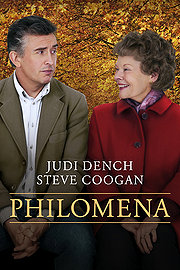
Dame Judi Dench stars as the main character, Philomena Lee, an Irish woman searching for her son giving up for adoption.

Dame Judi Dench stars as the main character, Philomena Lee, an Irish woman searching for her son given up for adoption.

I found this to be true with the highly acclaimed 2013 film Philomena, starring Dame Judi Dench and Steve Coogan. The film portrays, in brutally painful terms, how a Catholic-run adoption system in Ireland forced young pregnant girls, usually orphans or wards of Catholic homes, to give up their kids, who were sold to wealthy American parents. The film alludes to young mothers who died in childbirth, and their kids, at these places—a national scandal in Ireland to this day.

Watching the film, one really feels for these young girls and the heartache they had giving up their young children. The pain they feel is, as is the case of the main character, Philomena Lee, a lifelong loss. The film begins with her pain thinking of her son on his 50th birthday. Fate pairs her with a journalist, Coogan’s Martin Sixsmith character, and they embark on a journey of discovery.

As an adult adoptee, naturally I become curious, what was the “system” that my birth mother found herself in during the 1960s? Who was helping her? What were her support networks? Who were all these other actors who made this work? I started Googling the name of my birthplace, Crittenton General Hospital in Detroit, Mich. This hospital apparently has been torn down and moved. I also discovered it was part of a national philanthropic organization started in the late 1800s to help unwed mothers, known by many as the Florence Crittenton Home for Unwed Mothers.

Dr. Kate Waller Barrret is one of the co-founders of the Florence Crittendon Homes for Unwed Mothers (courtesy of Wikipedia).

Dr. Kate Waller Barrret is one of the co-founders of the Florence Crittenton Homes for Unwed Mothers (courtesy of Wikipedia).

In 1976, the Florence Crittenton Association of America merged with the Child Welfare League of America (CWLA), and the Florence Crittenton Division of the Child Welfare League of America was established. In 2006, the National Florence Crittenton Mission became the National Crittenton Foundation and broke with Child Welfare League of America and returned to being a stand-alone organization that is linked with dozens of Crittenton-affiliated agences around the country. Oddly enough, the National Crittenton Foundation‘s headquarters are in my current home town, Portland, Ore. I find this coincidence fascinating.

How the Philomena system worked in the United States

A number of online bulletin boards have allowed adult adoptees to swap information, including for this organization and the hospital where I was born. These queries stretch over many years, and it appears there were many of us.

A Facebook page was created that is devoted to these homes nationally and larger issues of accessing records. Comments on that Facebook page call these homes the American equivalent of the one portrayed in Philomena.

The creator of that page also created the Florence Crittenton Home Reunion Registry, and I found her story touching.

The “about us” page for the registry notes: “Before society had accepted pregnancy outside of marriage, my birth mother age 18, became pregnant while in nursing school. Her mother was not around and had left the family to get jobs where ever she could to live. Part of my Birth Mother’s life was raised in an orphanage after her father had died in the coal mines. Times were extremely hard and she had no place to turn.”

As an adult adoptee who has now known about his birth ancestry more than 25 years, I continue to discover new things about the past. Today’s discovery illuminated just how many people came together as part of these hard stories, particularly for birth mothers. There were doctors, nurses, social workers (in a weird role as baby brokers), families, and the mostly hidden and also central figures, the father of “illegitimate” children.

Like the system portrayed in the film Philomena, this country had social and child adoption networks and maternal care systems operating largely under the radar because of social norms around illegitimacy, sex, birth control, and more. All of these people operated with the prevailing culture and social values of the time, which promoted secrecy and, for many, shame. A major outcome of this shame-based system was having multiple parties, from the state of Michigan to social service agencies, deny giving identity information to adult adoptees like me. I, like many others, had to spend years and many resources tracking down information to what we are entitled to as a human right—to know who we are.

Years later, the mothers and kids have revisited these past times and the systems with different values, and the story looks vastly different. In the end, this is a story that matters not just for those who were a part of this large and nationwide network. The film Philomena shows that these stories are tales about love, about loss, about life, about connection, and about identity. These are universal stories, accessible to all of us.

The bastards of Westeros and why they fulfill our fantasies the name implies

I have just immersed myself in three seasons of Game of Thrones, HBO’s smash hit about the imaginary kingdom of Westeros where seven kingdoms are at war and a dragon queen seeks to claim the Iron Throne.

More than any show in recent memory, this show delves into the stereotypes and caricatures of bastards, or those who are not born properly. They are the outcomes of illegitimate dalliances by rich lords with low-born ladies. In the series, characters frequently use the word bastard like a curse, almost as if it were the worst insult imaginable in a world where true lineage determines everything.

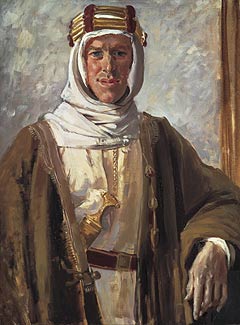
One of history's most famous bastards, T.E. Lawrence (Lawrence of Arabia).

One of history’s most famous bastards, T.E. Lawrence (Lawrence of Arabia).

One etymological reference I found notes the word’s French lineage referring to: “Illegitimate child,” from old French bastard (modern French bâtard), “acknowledged child of a nobleman by a woman other than his wife,” probably from fils de bast “packsaddle son,” meaning a child conceived on an improvised bed (saddles often doubled as beds while traveling), with pejorative ending -art. The definition further notes, “Alternative possibly is that the word is from proto-Germanic banstiz “barn,” equally suggestive of low origin.” In other words, these are really low-down … well … bastards.

As a bastard myself, born from an encounter not blessed by marriage, from a low house on my birth mother’s side, I naturally am fond of the world where bastards romp all over the screen, causing mayhem, murder, and wickedly fun adventure. Five central bastard characters stand out in this epic and now globally popular film tale, adapted from George R.R. Martin’s popular A Song of Fire and Ice fantasy series.

So let us take a look at these imaginary bastards—all guys by the way—and see how they nicely fulfill the typical stereotypes that define our well-entrenched fears and paranoia around children who just happened to be born outside of marriage. (Note all pictures are referenced from online sources, and the use is intended to be fair comment and criticism of the show and its characters, and most of all its obsession with the stereotype of a bastard.)

The Good Bastard: Jon Snow

Jon Snow Photograph

Jon Snow, the good bastard.

The show pivots around one decent guy. He is the noble bastard, Jon Snow, the son of Eddard Stark, that way-too-easily murdered king of Winterfell. Jon is the “good bastard.” He is handsome, strong, and fearless. He only kills when he has to, and when he does, Jon is like a badass gunslinger of the old West. He swings to kill. Most of the time he is killing really bad people, like traitorous Night’s Watch renegades, marauding wildings wanting to pillage south of the ice wall, and cannibal baddies. He is the prototypical hero who is being tested on a journey, learning to lead and trying save humanity from undead white walkers and uncivilized wildings. Jon is the type of bastard teen girls are allowed to swoon over, cause, really, he is the son of a good king who was ignored by his mom and destined to be a lord one day. No surprise his dire wolf is white, and named Ghost, a pure creature.

The Evil Bastard: Joffrey Baratheon

Joffrey Baratheon Photo

Joffrey Baratheon, the evil bastard.

Jon’s opposite sits on the Iron Throne for two seasons and a few more episodes. Hailing from the rival house, Lannister, King Joffrey Baratheon represents the great-abomination-of-nature bastard. A blond-haired beast, sniveling Joffrey is the illegitimate son of evil Queen Cersei Lannister and her dangerous and twisted twin brother, Jaime Lannister. Joffrey was born out of wedlock, so he is a true bastard. No surprise then he is a veritable monster. He likes to torture and shoot prostitutes with crossbows, order random killings of people for laughs at court, commit regicide that launches a bloody war, and be a general prick of the highest order. He is your classic bastard of your royal dreams of noble decadence. See, look what happens if you sleep with your brother or sister. You get a mentally deranged bastard who will destroy civilization as we know it.

The Sadistic Bastard: Ramsay Bolton

Ramsay Bolton photo

The sadistic bastard: Ramsay Bolton.

Another vile bastard of the series actually competes for the worst of them all title, Ramsay Bolton. This extremely efficient and misogynistic murderer is the illegitimate son of the treacherous lord Roose Bolton, who during the infamous Red Wedding episode in Season 3 murders Jon Snow’s noble brother Robb Stark, the heir to Winterfell and failed and not-so-clever revolutionary. Ramsay is mainly shown in the series as a half-crazy, psychotic, sociopathic sadist who commits atrocities and torture for fun. Most of his sadism is directed at a lord’s son whom he castrates, Theon Greyjoy. All Poor Ramsay wants is the love of his murderous and duplicitous father, but Roose plays Ramsay like a cheap ukulele. You cannot treat a bastard like a real person, particularly if you are important. Ramsay is the bastard of the your nightmares and the kind that lives up to the word bastard’s many associations with absolute horror and evil.

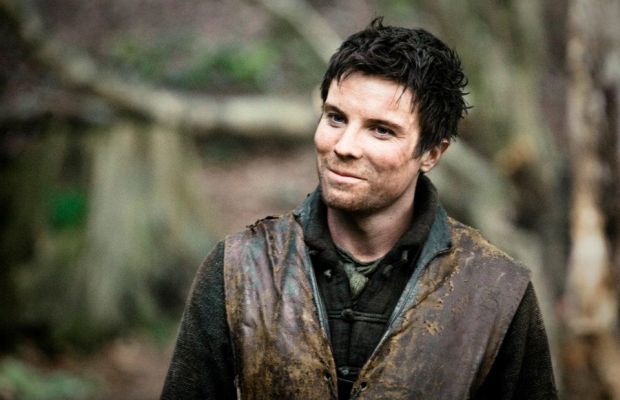
The Likable and Honest Bastard: Gendry Baratheon

Gendry Baratheon photo

The likable and honest bastard, Gendry Baratheon.

Gendry Baratheon, the kindly and talented King’s Landing blacksmith, is the bastard son of the overweight, whoring, and soon-to-die King Robert Baratheon. Robert spent a lot of time in power using his influence to bed and likely rape women, producing a number of illegitimate heirs who posed an existential threat to the false King Joffrey once that little masochist has Eddard murdered in public and took power for good. Gendry spends most the series on the run, trying to avoid the mass murder of innocent bastards that Joffrey ordered in Season 1. Not quite a “noble bastard” like Jon, he is the lovable bastard you would like to hire in a growing startup cause you know he will not double cross you and flee to your competitor with company secrets. He might even be good enough for your daughter, except he has got that damn bastard thing in his lineage. We last see Gendry in Season 3 rowing away from the power-crazed Stannis Baratheon, who wanted him burned alive—a fitting end for many a bastard.

The Honorary Bastard: Tyron Lannister

Tyrion Lannister Photo

The honorary bastard, Tyrion Lannister.

The final bastard of the show is our ceremonial bastard, the Imp and none other than Tyrion Lannister. Tyrion calls himself an honorary bastard for having the misfortune of being born a dwarf. As a bastard in his dad’s eyes, and this is a tyrannical dad too, Tyrion is always prey to his affections for misfits, fellow bastards like Jon, and broken things. As a bastard you can never be expected to be the best, and Tyrion fulfill’s his bastard’s destiny through alcohol fueled binges, sleeping with multiple prostitutes, killing his mistress with his bare hands, and in the act of ultimate rage against his own kin, slaying his mean father, Tywin Lannister, in the crapper with a crossbow. Now that is a true murder only a bastard is capable of executing. Who else could pull off the hit in the center of power in all of Westeros, in the sacredness of the privy? It had to be a bastard. Even after a double homicide the night of his prison break, we are left with twisted emotions what to feel about a bastard. After all he was born a dwarf and falsely accused of poisoning Joffrey. His mistress dumped him for his old man. They deserved to die, right? Money and influence, in the end, could not save the honorary bastard, who has to flee a castle locked in a crate.

What really matter are the stories we tell ourselves

“The only stories that matter are the ones we tell ourselves.” I bet you have heard that one before. It is a living, breathing idea that permeates the blogosphere like oxygen. The idea is also rooted in so-called positive psychology, whose adherents include Dr. Martin Seligman, who has written pop psychology books such as Learned Optimism.

In fact the American nation is built on a myth of self-made individuals writing their own narratives and reinventing themselves, regardless of what the facts may say. The power of the myth and the power of the story trump irritating details. History, as the old saying goes, is always written by the winners.

"Declaration independence" by John Trumbull. Licensed under Public Domain via Wikimedia Commons - http://commons.wikimedia.org/wiki/File:Declaration_independence.jpg#mediaviewer/File:Declaration_independence.jpg

Radical revolutionaries, America’s founding fathers, slaveholders and capitalists, brilliant leaders who sought to create a more perfect union? What story is the one that matters? “Declaration of Independence” by John Trumbull. Licensed under Public Domain via Wikimedia Commons.

I think there is a great deal of truth to this idea. As a former and sometimes frustrated reporter, I struggled to ensure my facts were 100 percent accurate. I wanted truth to defeat the fabrications of bureaucracies that did not want to reveal their poor stewardship of the public trust or criminals who would swear they had nothing to do with crimes for which they were charged. That was not their story.

It was clear from my personal experience, not to mention research, people who are masters at this art believe their stories to be the only truth that matters, facts be damned.

Today I found numerous examples of this concept percolating on multiple blogs.

  • One woman writing about breast cancer in her blogs notes, “But here’s the thing we should never forget. We are the author of our own stories.  For every perceived weakness we possess, we posses huge potential too. We get to choose which story we will tell ourselves – a story that will lift us up or knock us down.” No surprise her blog is called “Recreateyourlifestory.com.”
  • Still another blog called Postive-living-now.com notes, “Few things have a greater influence over our lives than the stories we tell ourselves. Tell yourself that you’re a victim and you are. Tell yourself that you’re destined for success, and success is likely to become your destiny.”
  • And yet another called Igniteyourlifenow.com urges readers to “focus on a story that you have been telling yourself and rewrite it so you can create a positive change, enjoy a new experience and become a better you.”

You also can buy books like one titled The Stories We Tell Ourselves, which you likely guessed is a self-help psychology book you can buy online.

No doubt all of us have stories for ourselves, our friends, our coworkers, our spouses, and strangers. The narrative we choose to believe likely reveals more about our character than we are comfortable admitting. Perhaps what matters as much as the narrative are the intentions driving the choice of stories. Those truly are ours alone to own when we go about our storytelling, especially to ourselves.

Turning off everything except your mind


Tonight, the rains returned to Portland. That dark winter gloom fell on cue just after 5 p.m., and I took to the streets of Portland’s so-called Alphabet District to experience this dense neighborhood.

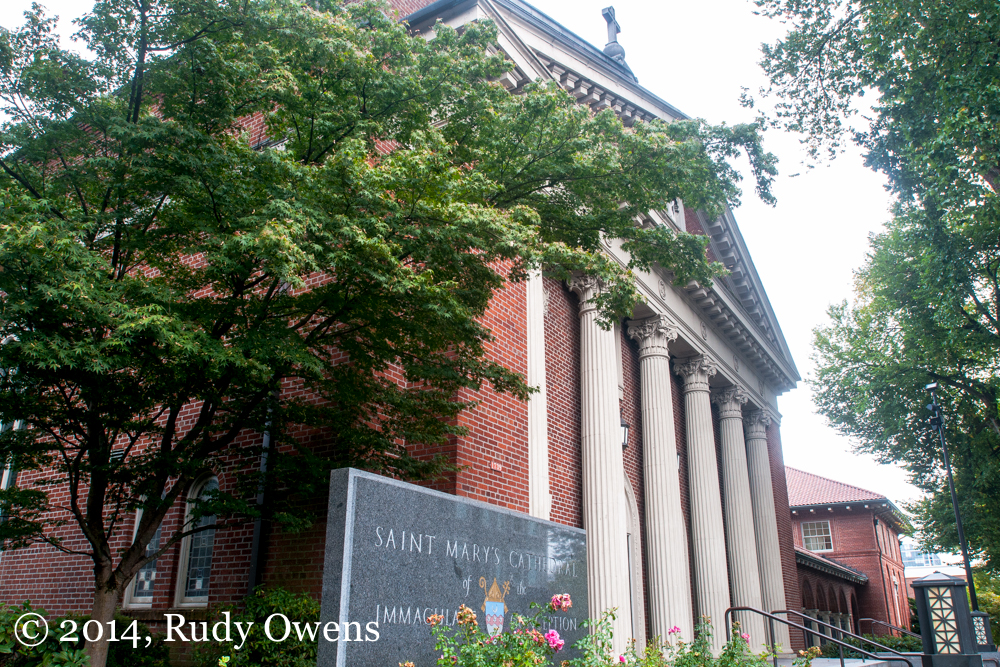
St. Mary's Cathedral Photograph

St. Mary’s Cathedral of the Immaculate Conception.

It is easy to feel isolation and gloom in this weather. People in Portland tend to avert their gaze like urban dwellers in many cities and walk purposefully.

I stumbled on one of the prettiest religious building complexes in the city, St. Mary’s Cathedral. As I noted on my photo blog, the cathedral sits in a five-block area that also includes Temple Beth Israel and Trinity Episcopal Cathedral. I like this part of town a lot.

I stepped inside as the 5:30 p.m. mass was beginning. It felt warm and cozy. I decided tonight was not the night to sit, but I thought about the need to do that more frequently.

I am not a religious person, but I like that houses of worship are one of the last remaining places in our country where people intentionally turn off their cell phones, disconnect from the media and the material world, and perhaps connect with something beyond themselves. That is what I like about them. I am not a fan of charismatic churches that are full-on multimedia spectacles that turn on media to prevent contemplative thought.

When I was a kid, I was forced to sit in church nearly every Sunday for years, until I was 18. I initially I could not stand it because I did not and do not adhere to the tenets of any organized religion. But as the years came and went, I realized I had learned a great deal sitting in the wooden church pew, gazing at beautiful stained glass windows at Bethel Lutheran Church in University City, Mo. Sitting for a forced period of time stilled my mind and my generally active body.

Bethel Lutheran Church Photograph

The place where I spent many an hour contemplating things in a quiet, peaceful place–Bethel Lutheran Church.

To this day, nothing else will quiet my mind like a church pew. Though churches are not my house of worship, they still remain my quiet place. I think all of us could benefit from turning it all off for at least an hour regularly and contemplating things bigger and more important than our small, insignificant selves. For me the place is a church pew. What is it for you? If you have not gone to that place for while, maybe you should pay it a visit.

How one very famous Oz woman describes Aussie men

I have always enjoyed the company of Australians. The ones I have met, all over the world, have been extroverted and adventurous. To me, the women from Oz have always found a perhaps hardened, as opposed to soft, place in my heart. Maybe it is their accent or their grit. I credit part of their resiliency to their culture and the continent’s legacy as a formal penal colony that impacted the character of Australian men in particular. I also credit their hot landscape and often harsh geography outside of the coastal areas. These are the places most celebrated in modern Australian filmmaking. They are places of chaos and violence, as seen in films from The Chant of Jimmie Blacksmith to Mad Max to The Proposition.

The Opera House is the modern symbol of Australia, but the unofficial national anthem celebrates the swagman of which Davidson writes in a 1970s context.

The Opera House is the modern symbol of Australia, but the unofficial national anthem, Waltzing Matilda, celebrates the swagman type of Aussie male of which Davidson writes in a 1970s context.

I am now reading the memoir and travel adventure called Tracks, by Australian writer Robyn Davidson. She crossed Australia’s remote western desert with four camels and a dog in 1977 and published the account of her 1,700-mile journey, Tracks, that was turned into a film of the same name in 2013. In her book, she writes about the rough and violent men she met in Alice Springs, where her journey began. This is her summary of how the continent of Australia and its cultural legacy as a penal colony created the contemporary Australian male. The picture she paints is not charming, but as the legacy of Aussie filmmaking would show, she is speaking from real-world experience acknowledged by many before and after her:

“The modern-day manifestation is almost totally devoid of charm. He is biased, bigoted, boring and, above all, brutal. His enjoyments in life are limited to fighting, shooting and drinking. To him, a mate includes anyone who is not a whop, wog, pom, coon, boong, nigger, rice-eye, kyke, chink, Iti, nip, frog, kraut, commie, poofer, slow, wanker, and yes, Sheila, chick or bird.”

I highly recommend her book. But then again, I like camels, deserts, and Australian women.